
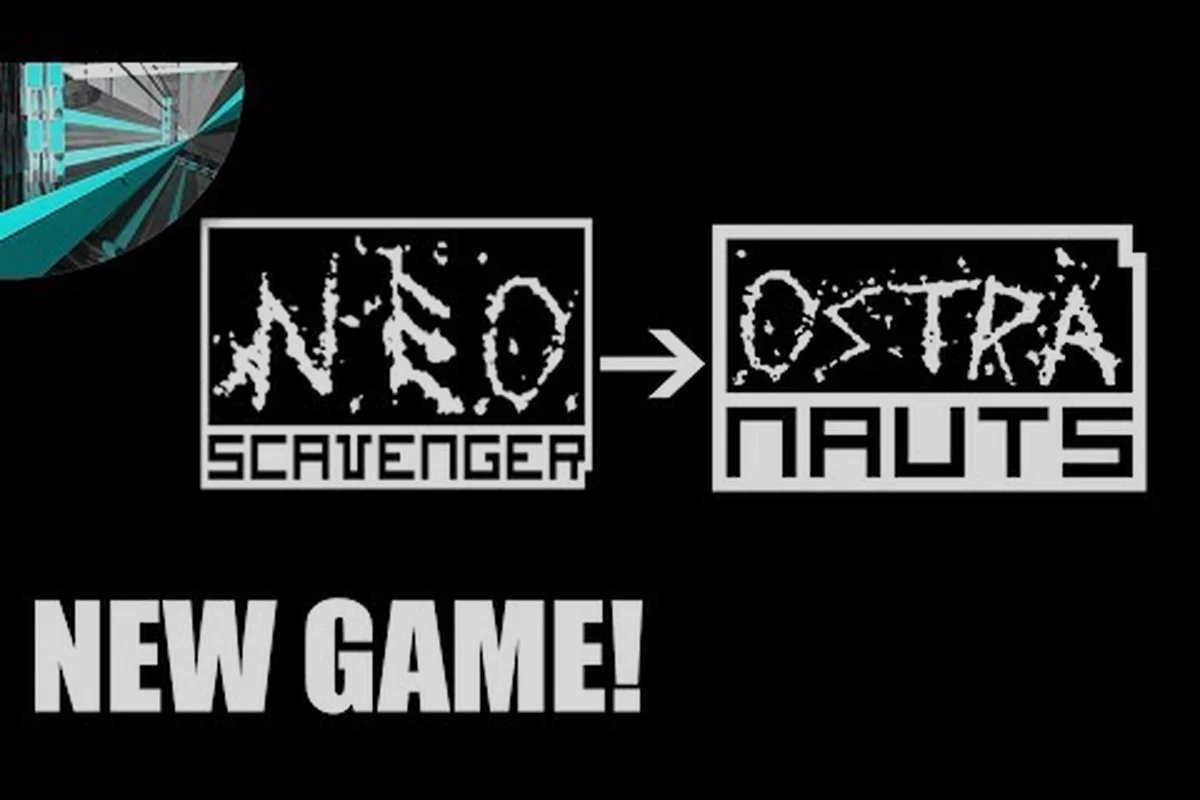
What Ostranauts Reveals About the NEO Scavenger Universe
Every derelict you crack open is a fragment of a larger story. The Ostranauts lore guide starts where most players don't look: text files, manifest scraps, and quiet crew conversations after a long K-Leg shift.
Blue Bottle Games built this universe on top of NEO Scavenger, Daniel Fedor's earlier post-apocalyptic roguelike, and that shared DNA shows up everywhere from the grime on hull plating to the way NPCs talk about Earth. If you want more than "fly ship, get money, pay loan," understanding the setting changes how the game feels. Players who dig into the backstory report that contract negotiations carry real weight because you actually know who is asking, and why they might be lying. That's what makes this Ostranauts lore guide worth reading before you start a fresh captain.
- The setting is a dying solar system split between stations, derelicts, and corporate remnants.
- Most story content lives in recoverable artifacts, not scripted cutscenes.
- Faction reputation shifts silently based on your salvage and contract choices.
The Timeline and Setting: A Broken Solar System
Ostranauts sits in the same dying solar system as NEO Scavenger, but the timeline pushes further outward. The inner planets are gone, Earth is a husk of megacities that nobody can return to, and humanity has scattered to orbital stations, mining platforms, and broken habitats. Fedor has confirmed in community interviews that the gap between NEO Scavenger's Boneyard era and Ostranauts is roughly a generation, which is why you meet characters who remember the old jumps but live entirely on station food.
The Collapse of Earth
Earth didn't vanish in a single war. The lore describes a slow environmental and economic collapse, layered with the kind of corporate extraction that left the planet's surface poisoned. Veterans treat the early backstory files as canonical even though they are scattered across different derelict types. You'll find references to Brinkmann Industries, Sundive Conglomerates, and the Pacific Free States in crew conversations, contract text, and black box recordings.
Where Ostranauts Fits in the Timeline
The game opens roughly fifty to eighty years after NEO Scavenger's main events, depending on which developer interview you cite. Stations like K-Leg were built to exploit leftover industry from the Sol Belt, but most of the people living there are second or third generation. New players often miss that the game's "starter" location is already a backwater — the real action happens out near the gas giants, where salvage runs start earning meaningful credits and the contracts carry actual political weight.
| Era | Approximate Span | Defining Feature | Key Reference in Game |
|---|---|---|---|
| Pre-Collapse | 200+ years before start | Earth as corporate hub | Brinkmann Industries mentions |
| NEO Scavenger Era | ~50 years before start | Surface survival, Boneyard | Hidden dev-locked logs |
| Early Station Age | ~20-30 years before start | First Oort colonies | K-Leg founding charter fragments |
| Current Day (v1.0) | Game timeline | Scavenger economy | Active contract board |
Factions, Stations, and the K-Leg Economy
The faction system is half explicit, half implied. There are no formal faction tags on the UI, but every station, every contract house, and every ship you board signals alignment through pricing, attitude, and the jobs they offer. According to player reports on the official Steam community guides hub, the community has mapped at least seven recurring faction signatures in v1.0.0.7.
Major Factions at a Glance
You don't pick a faction, you drift toward one based on who pays you and who you refuse to work for. The two dominant powers are the K-Leg Authority and the loose Independent Scavenger network, but the interesting stories come from the smaller groups whose names only show up on derelict plaques and salvage tags.
| Faction | Core Identity | Typical Station | Crew Recruitment Pool |
|---|---|---|---|
| K-Leg Authority | Station-keeping, law of the docks | K-Leg Station | Mid-tier, ex-military types |
| Oort Coalition | Industrial mining union | Belt outposts | Hard laborers, lower wages |
| Brinkmann Remnants | Old corporate loyalists | Hidden corporate decks | Educated, suspicious |
| Free Divers | Independent salvagers | Mobile, derelict-focused | Skilled, expensive, loyal |
| Pacific Syndicate | Black-market trade | Smuggler lanes | Fast-talking, hidden pasts |
The K-Leg Economy Explained
K-Leg is the game's central hub and the first station every captain sees. Its economy runs on three pillars: salvage resale, contract work, and loan interest. The lore reason these three are tied together is that K-Leg is a former corporate processing station that survived by becoming a neutral trading post. That's why it has a bank, why derelicts are processed through licensed yards, and why contracts go through a "Council" rather than a single authority figure. Most players never realize the council is split into rival sub-factions until their third or fourth playthrough.
Derelict Ships, Black Boxes, and Recovered Logs
Most of the Ostranauts lore guide content lives in derelicts. When you board a wreck you can find black box recorders, crew logs, ship manifests, and personal lockboxes, each carrying a fragment of someone's last day. The 1.0 release added more contextualized finds according to community testing, and Blue Bottle Games has confirmed additional log variants are planned for the first post-launch patch.
Recovered Ship Logs
Log fragments are short, written in clipped style, and often contradict each other. That's intentional. The same event — a pirate raid, a reactor blowout, a mutiny over food — gets told differently by the captain, the engineer, and the deckhand. Players who piece these together get a much fuller picture of the station politics that pushed those ships into the drift. Cross-referencing logs across multiple captains is one of the highest-reward hobbies in the game, because the contradictions themselves tell you which faction was lying.
Black Box Recordings
The black box logs are usually triggered by a specific event: hull breach, life support failure, or combat damage. Each box plays a voice snippet with metadata, and the veteran community maintains a transcription list on the Steam guides hub. Some recordings reference characters who then appear as NPCs in later saves, which is why experienced captains recommend keeping a notes file for cross-referencing. Recordings tied to the Boneyard region tend to mention sibling ships that won't appear in your game until much later, so patience matters as much as cash.
How Lore Connects to Crews, Ships, and Salvaging
Knowing the lore changes how you play the other systems. A captain who knows that Brinkmann Remnants tend to favor well-educated crew will hire differently at certain stations. One who knows the Free Divers prize loyalty above pay will know not to poach their engineers with cash bonuses.
Reading Crew Backstories
Every hireable NPC has a backstory tag that hints at their former station, their reason for leaving, and what they fear. The lore is encoded in three layers: the visible tag, the conversation tree, and the rare post-shift monologue. According to long-time players on the community Discord, backstories roughly correlate with starting skills and salary expectations, which makes lore-reading a soft optimization tool, not just flavor. For the practical side of running a healthy roster, our crew management guide walks through how to read those tags against actual ship needs.
Linking Derelict Choices to Faction Reputation
Boarding a derelict tied to the Pacific Syndicate and selling its cargo to the K-Leg Authority quietly shifts your reputation, even if no popup appears. This is one of the deeper systems the Ostranauts lore guide veterans emphasize: the game never tells you your reputation number, but pricing, contract offers, and even which derelicts spawn in your salvage queue all shift based on accumulated choices. Experienced players track these shifts by watching the "tax rate" column on the K-Leg trade screen, since that number quietly moves with your hidden reputation.
Why Salvaging Is the Best Lore Window
Salvaging is the most lore-dense activity in the game. Every derelict is a snapshot of who was flying, what cargo mattered, and what broke first. For players who want to maximize both income and story, our salvaging guide covers the practical loop, while this Ostranauts lore guide covers what each find actually means. Pairing the two reads turns a routine money run into a five-minute narrative.
| Derelict Class | Likely Origin | Lore Artifact Types | Cash Value Range |
|---|---|---|---|
| Hauler | Trade lane | Manifests, captain logs | 5k-15k credits |
| Mining Barge | Oort Coalition | Union notices, accident reports | 8k-22k credits |
| Courier | Pacific Syndicate | Encrypted contracts, ID plates | 12k-30k credits |
| Patrol Cutter | K-Leg Authority | Duty rosters, sealed orders | 6k-18k credits |
| Personal Yacht | Brinkmann Remnants | Personal diaries, vault keys | 15k-40k credits |
Frequently Asked Questions
Is there a main story campaign in Ostranauts?
There is no single linear campaign, but the community treats the contract board, the recovered logs, and the recurring NPCs as a slow-build narrative. Completing certain contract chains unlocks derelicts and stations that only appear after specific story flags trigger, which gives the game a quasi-campaign structure without forcing a path.
Do I need to play NEO Scavenger to understand Ostranauts?
No, but it helps. NEO Scavenger establishes the Boneyard aesthetic, the megacorporation names, and the Earth-collapse framing that Ostranauts assumes you already know. Players who skipped the earlier game can still piece together roughly 80-90% of the lore from in-game documents, though some faction context will feel thinner.
Where is the best place to start digging into the lore?
Begin at K-Leg after your second or third successful derelict run. By then you will have enough credits to spend on a data analyzer, and you will have seen enough captain logs to recognize recurring ship names. Pair that with the official Steam community guides maintained by veterans to cross-reference recordings.
Are there lore-discoverable secrets in ship parts?
Yes. Several ship parts ship with engraved serial numbers, manufacturer plates, and contract IDs that tie into specific factions. Reading those numbers in the right order reveals a minor storyline about a missing corporate executive that runs through roughly six derelicts in the inner belt.
Does the lore change after the v1.0 release?
Version 1.0 added new log variants, two new station backstories, and additional black box recordings based on community testing from the Early Access era. Blue Bottle Games has signaled more lore content is planned for the first major post-launch patch, so this Ostranauts lore guide will keep evolving as the universe expands.
What corner of the Ostranauts universe do you want decoded next — the corporate remnants hiding in plain sight, the K-Leg Council's internal politics, or the derelicts drifting out near the gas giants?