Flight & Navigation
Master Newtonian physics, RCS thruster control, Delta-V management, docking, and interplanetary travel in space.
Introduction
Flight in Ostranauts uses pure Newtonian physics — no atmospheric drag means once a ship moves, it keeps moving until thrust is applied or gravity intervenes. Flight controls include W/S for forward/back, A/D for strafe, Q/E for rotate, and R for stop. Acceleration equals total thrust divided by ship mass. Monitor Delta-V fuel and power constantly, limit thrust to ~1G normally, and use 3G for emergencies only. G-loc blackout starts at 3.5G. Use MATCH SPEED (K key) to simplify docking, and request clearance via COMMS before approaching.
Flight Controls & Procedures
| Action | Control | Detail |
|---|---|---|
| Forward/Back | W / S | Apply thrust along heading |
| Strafe | A / D | Lateral thrust |
| Rotate | Q / E | RCS rotation |
| Stop | R | Counter-thrust to zero velocity |
| Match Speed | K | Auto-match target velocity for docking |
| Docking | COMMS → Clearance | Line up rings, ~30m/s, wait for green |
Flight Procedures
Pre-Flight Check
Batteries charged, RCS fuel filled, life support canisters, transponder + antenna installed
Docking Procedure
Hail via COMMS, request clearance, line up rings, reduce to ~30m/s, press dock clamp
Interplanetary Travel
Fusion reactor + torch drive for Venus Orbital station, high-G management
Pre-Flight Checklist
Batteries charged, RCS fuel filled, life support canisters, transponder and antenna installed
G-Force Management
Limit thrust to 1G normal, 3G emergencies; G-loc blackout starts at 3.5G
Interplanetary Travel
Fusion reactor for infinite power and torch drive; plan Delta-V budget for Venus Orbital
Core Mechanics
Ostranauts uses pure Newtonian physics with no atmospheric drag. Once a ship moves, it keeps moving until thrust is applied or gravity intervenes. Acceleration equals total thrust divided by ship mass. Monitor Delta-V fuel and power constantly. Limit thrust to ~1G normally, 3G for emergencies. G-loc blackout starts at 3.5G. Pre-flight checks ensure batteries are charged, RCS fuel filled, life support canisters are full, and transponder and antenna are installed. Request undocking clearance via COMMS, then press CLAMPS to release. Use MATCH SPEED (K key) to simplify docking approach; the 5km proximity alarm auto-reduces to 1x speed.
Advantages
The pure Newtonian physics model creates a unique and rewarding flight experience unlike any other space game. Docking requires real skill and provides genuine satisfaction when executed correctly. The MATCH SPEED autopilot reduces frustration while maintaining the challenge. The interplanetary travel system opens up the solar system for exploration once a fusion reactor is installed. The real-time-with-pause system allows players to manage complex situations without time pressure.
Challenges
The Newtonian physics model has a steep learning curve, especially for docking. G-loc blackout at 3.5G can be disorienting and dangerous. Ships have been reported to teleport or crash into stations due to pathfinding bugs. Delta-V management creates anxiety about running out of fuel far from station. The MATCH SPEED autopilot doesn't always work perfectly. No sound in space is realistic but can make the experience feel isolating. Interplanetary travel requires expensive fusion reactor installation first.
Frequently Asked Questions
How do I dock my ship?+
What happens at high G-forces?+
How do I travel to other planets?+
Quick Tips
Pre-flight check: batteries charged, RCS fuel filled, life support canisters, transponder + antenna
Request undocking clearance via COMMS before releasing clamps — ships separate at ~5m/s
Use MATCH SPEED (K key) to simplify docking — 5km proximity alarm auto-reduces to 1x speed
Limit thrust to ~1G normally, 3G for emergencies — G-loc blackout starts at 3.5G
For interplanetary travel, install a fusion reactor first for infinite power and torch drive capability
Featured
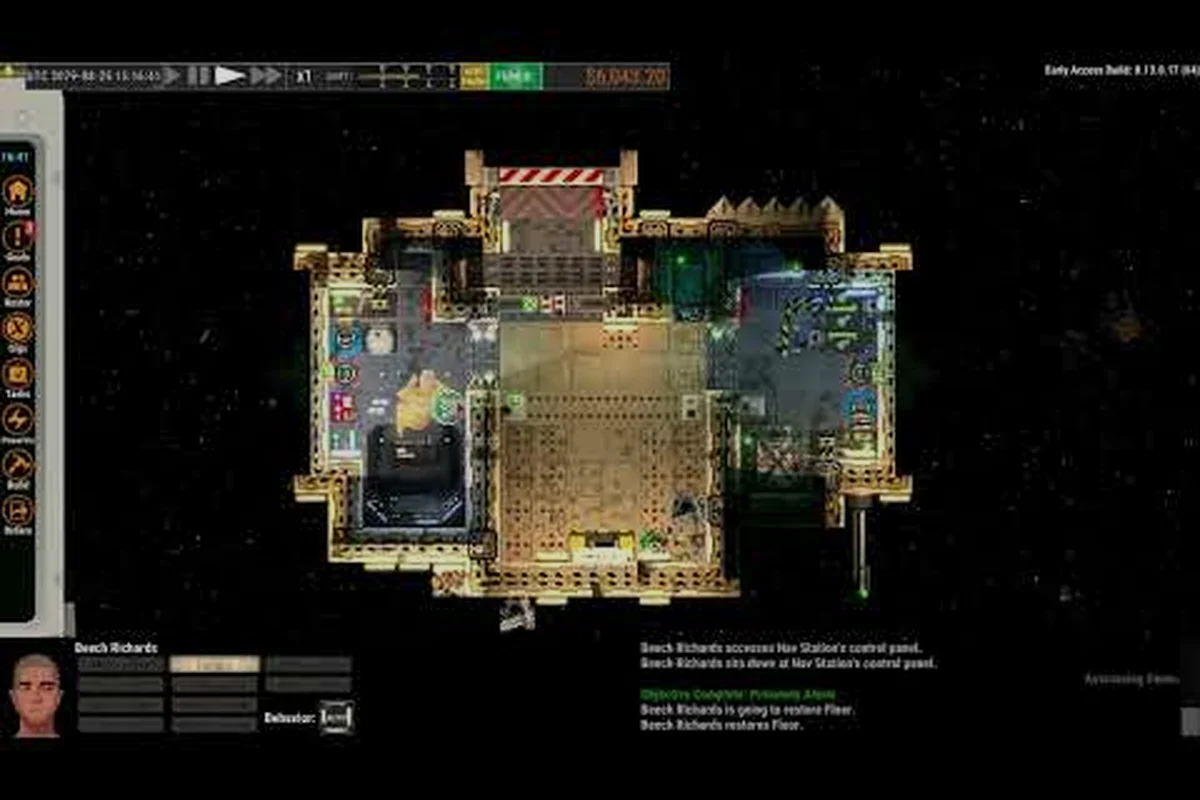
Ostranauts Flight Controls: The Complete Piloting Guide
Master Ostranauts flight controls with this complete piloting guide. Learn Newtonian thrust mechanics, key bindings, docking procedures, and proven bug workarounds.
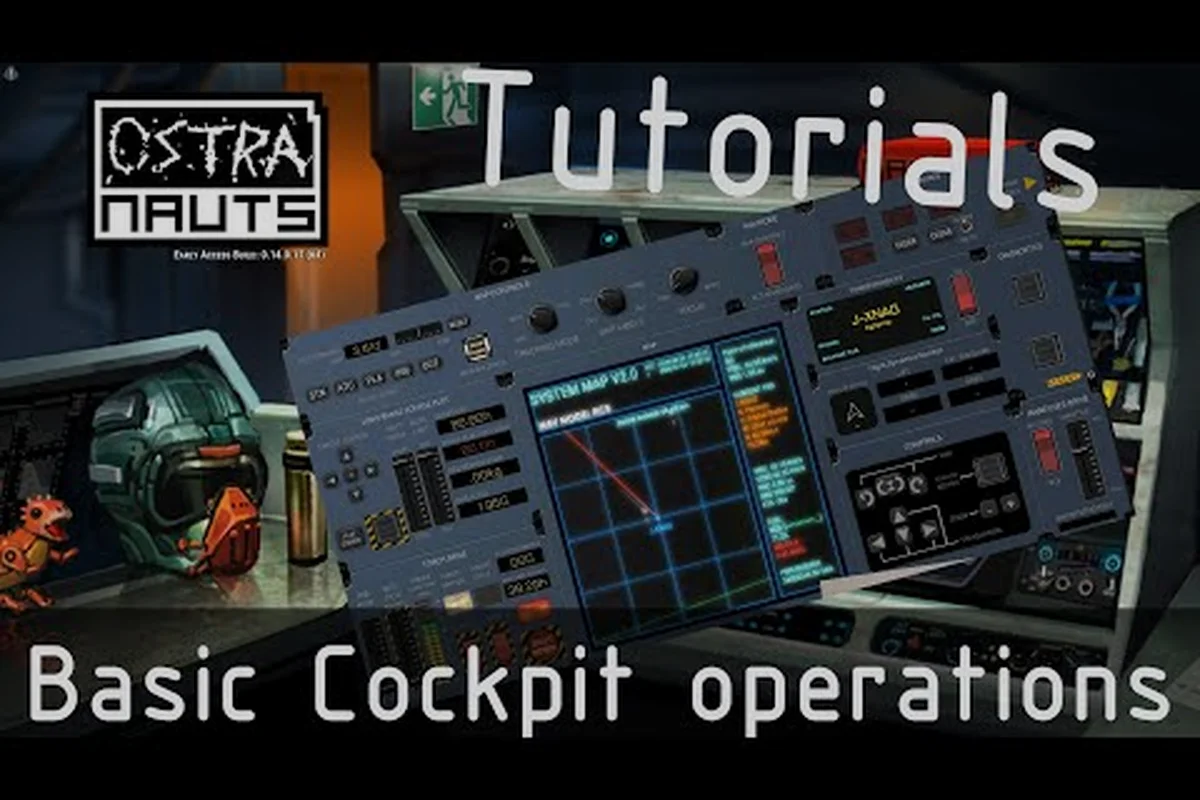
Ostranauts Flight Guide: Newtonian Piloting 101
Learn the core Ostranauts flight guide essentials: Newtonian thrust physics, cockpit instrument reading, thruster tuning, K-Leg docking procedures, and drift recovery.
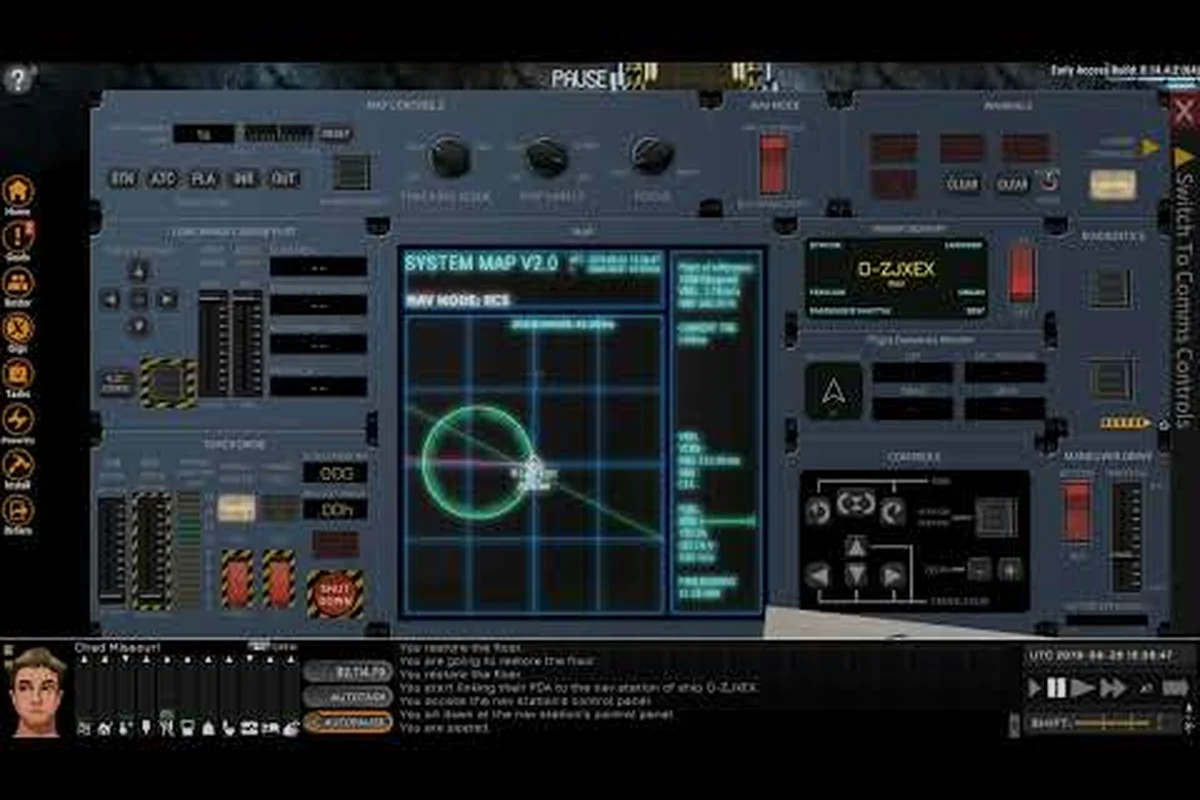
Ostranauts Docking Guide: Master Every Station Hookup
Complete Ostranauts docking guide covering approach vectors, port alignment, safe speed brackets, and recovery tips for clean station hookups.
All Articles
Ostranauts Newtonian Flight: A Realistic Space Pilot Guide
Master Ostranauts Newtonian flight mechanics. Learn thrust vectors, orbital maneuvers, rotation control, and ship piloting for authentic space simulation.
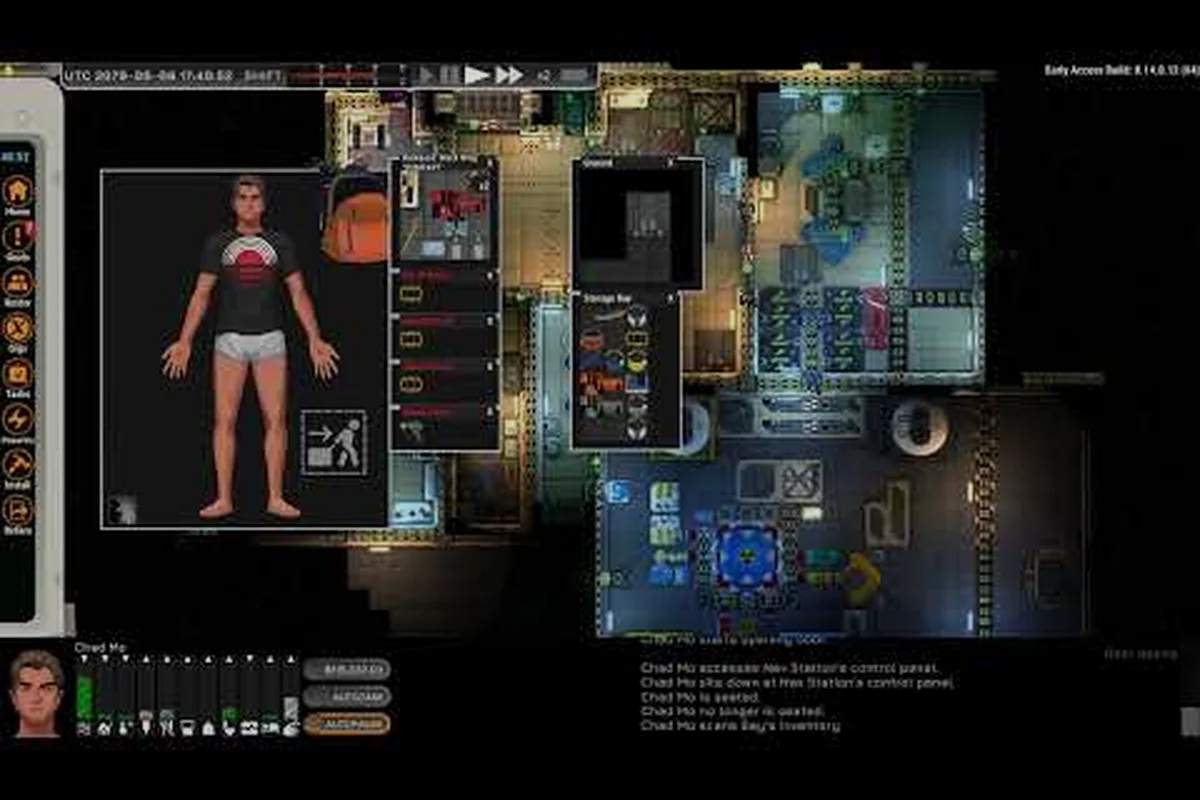
Ostranauts Newtonian Physics: Master Space Flight & Combat
Learn how Ostranauts Newtonian physics govern thrust, inertia, and orbital combat. Master vector flight with practical tips and real game data.
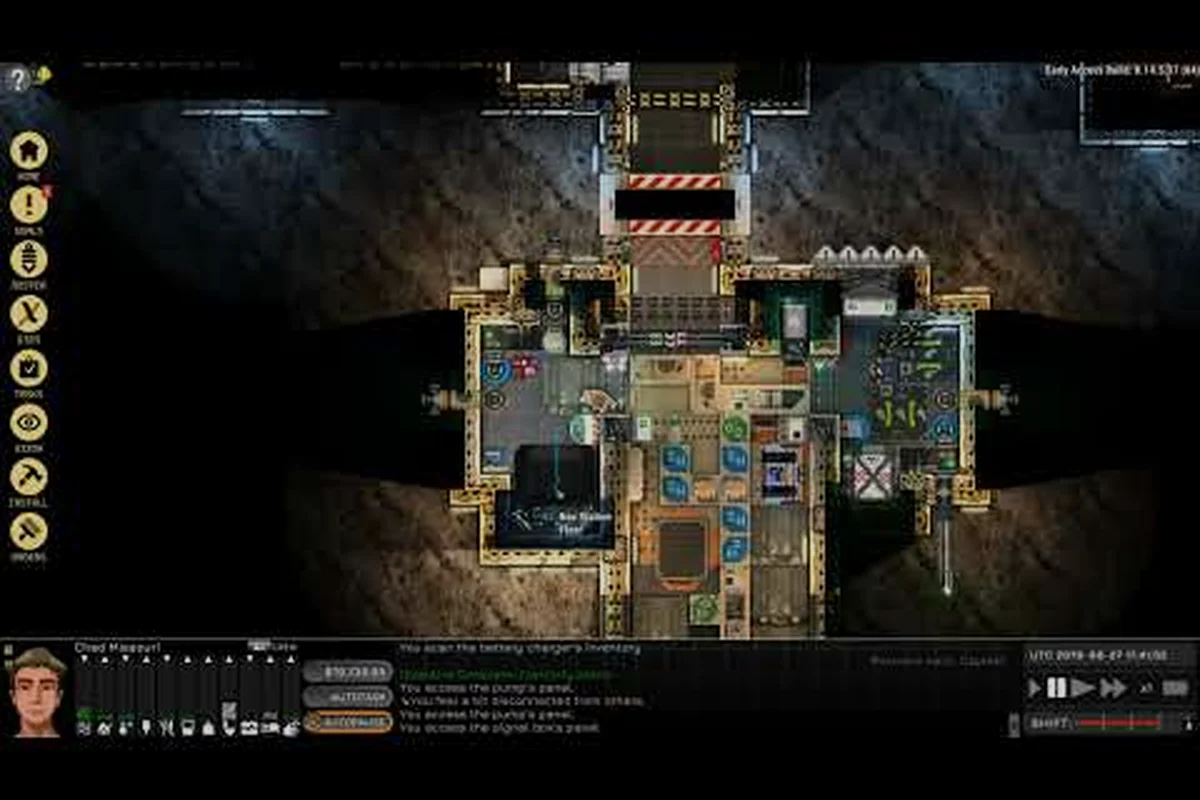
Ostranauts Orbital Mechanics: A Complete Flight Guide
Master Ostranauts orbital mechanics with this in-depth flight guide. Learn Newtonian physics, trajectory planning, and key maneuvers every pilot needs.
Ostranauts Undocking Procedure: Safe Launch Guide
Master the Ostranauts undocking procedure with our step-by-step guide covering clamps, throttle, atmospheric vs vacuum launches, and common pilot mistakes.
Ostranauts Ship Piloting: Bridge Controls & Flight Guide
Master Ostranauts ship piloting with this bridge layout guide — station roles, Newton's-law flight physics, docking procedures, and emergency handling tips.